Picture a Formula 1 engine dropped into a shopping cart. Enormous power, going nowhere. That gap — between raw capability and useful work — is the single most expensive misunderstanding in AI right now.
Most teams are still shopping for engines. They compare models, watch benchmark leaderboards, and switch tools the week a new one tops the charts. Meanwhile the teams actually getting value from AI agents have quietly moved on to a different question: not which model, but what is wrapped around it.
That wrapper has a name. It is the harness, and a phrase that spread through engineering circles in 2026 sums up why it matters: Agent = Model + Harness. If you are not building the model, you are building — or buying — the harness. And that is where most of your outcome is actually decided.
What a harness is
A language model, on its own, does one thing: given text, it predicts more text. It has no memory between calls, cannot open a file or run a command, and cannot tell whether its last answer was right.
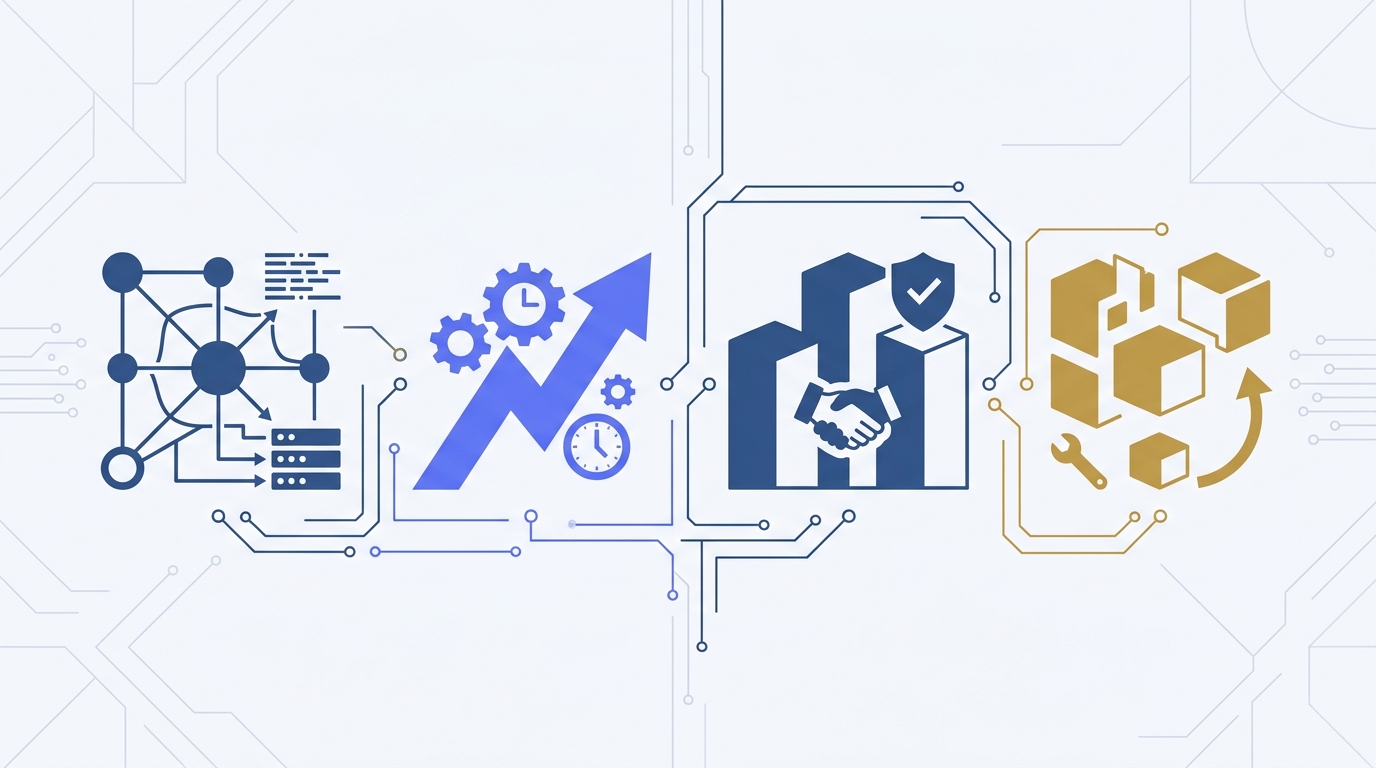
A harness is everything built around the model to make it useful. At its core, four parts:
- The agent loop — read the task, take a step, see the result, adjust, repeat until done. This is what turns a chatbot into something that finishes work.
- Tools — the actions it can take: read a file, edit it, run a command, call an API. The model's hands.
- Context management — summarizing, pruning, and offloading history so a long task doesn't overflow the model's memory and lose the plot.
- Control — what gets approved, what runs automatically, what's logged, what's blocked. Where trust lives.
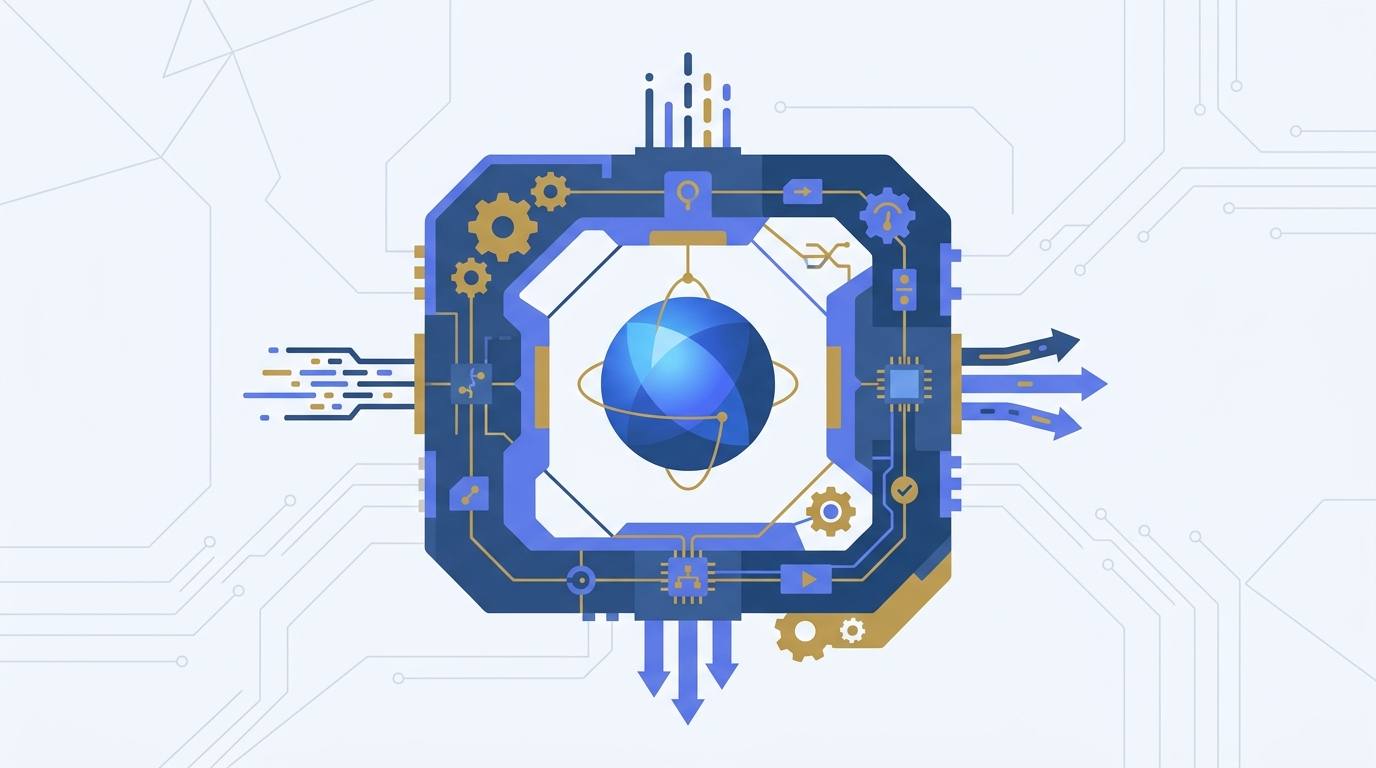
A model in the middle, four systems around it, running in a loop. That's the whole machine.
flowchart LR
  Task([Task]) --> Loop
  subgraph Harness
    Loop[Agent loop] -->|prompt| Model[(Model)]
    Model -->|chooses action| Tools[Tools]
    Tools -->|result| Context[Context mgmt]
    Context --> Loop
    Control[Control / guardrails] -. approves or blocks .-> Tools
  end
  Loop --> Done{Done?}
  Done -->|no| Model
Done -->|yes| Result([Result]) Why the harness beats the model
Here's the claim that changed how careful teams buy: a decent model with a great harness beats a great model with a bad harness.
It's easy to prove to yourself. Run the same model inside two different tools and you get very different results — different success rates, different costs, different ways of failing. That spread is usually wider than the gap between two models a tier apart.
The reason is simple. The model's raw ability is fixed the moment you choose it. Everything after that — whether it sees the right files, whether its mistakes get caught and corrected, whether it runs out of context halfway through — is the harness's job. So the gap between what a model could do and what you actually get is, overwhelmingly, a harness gap. Not a model limit.
Which is why the same model can feel brilliant in one tool and hopeless in another. You were never really testing the model. You were testing the harness.
What "great harness" looks like in practice
This isn't abstract. Most of the difference comes down to a few concrete, learnable moves.
Take the ratchet: treat every mistake the agent makes as permanent signal. Don't just fix it — write a rule so it can never happen again. In modern coding tools that rule lives in a short instruction file the agent reads every session:
# CLAUDE.md
- Never commit directly to main; branch first.
- Run `npm test` before proposing any change as done.
- Currency is always THB; never assume USD.
Three lines, but each one is a class of failure the agent will no longer repeat. The best of these files stay short — under about 60 lines — and every rule is earned by a real mistake, not added on a hunch. It reads like a pilot's checklist, not a style guide.
A few other patterns you'll hear named:
- Fewer, sharper tools. Ten well-described tools beat fifty overlapping ones — every tool's description competes for the model's attention, so a bloated toolbox makes the agent dumber.
- Planner / evaluator splits. Agents grade their own work far too generously. Having one agent do the work and a separate one check it beats trusting a single agent to mark its own homework.
- Loop engineering. The 2026 mindset shift: stop hand-writing prompts for each task, and instead design the loop that prompts the agent for you.
The questions to ask before you buy
If you're evaluating an AI coding tool, an agent platform, or any vendor's "AI-powered" feature, the harness is the thing to interrogate — and it's exactly what a slick demo hides behind an impressive model name.
So ask harness questions. How does it manage context on a long task? What actions can it take, and who approves the risky ones? When it makes a mistake, does the system learn, or repeat it? Can you shape its behavior, or are you stuck with the vendor's defaults? The answers predict your real experience far better than any benchmark.
The whole industry is converging here. Leading tools running on completely different models are starting to look alike under the hood, because they keep rediscovering the same load-bearing harness patterns. The model is the engine. The harness is the car. Nobody commutes in an engine.
This is the first post in our series on the AI harness era. Next: a tour of the 2026 landscape — Claude Code, Codex, Google's Antigravity, and the minimal open-source challenger, Pi — and what actually separates them.